|

The Ultimate Newborn Essentials Checklist [2026 Printable]

First-time parents spend around $1,500 on baby items before birth — and nearly 30% of it goes unused. This guide is built on pediatric guidance and real parent experience, so you buy only what your newborn actually needs.

9 min read

Full printable checklist included


Skip ahead — get the printable PDF

1. Quick Newborn Essentials Checklist Overview

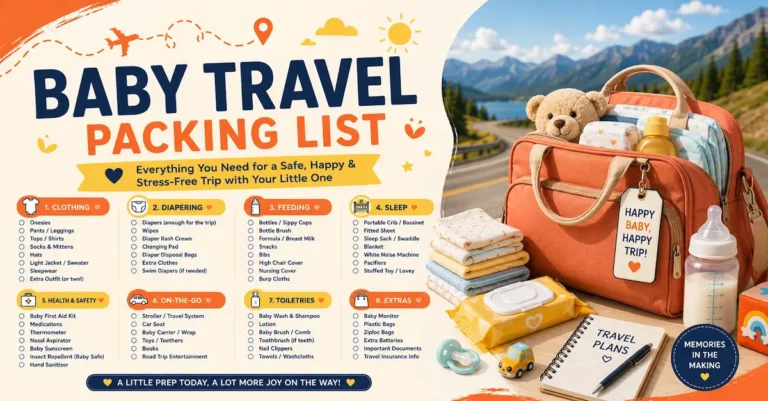
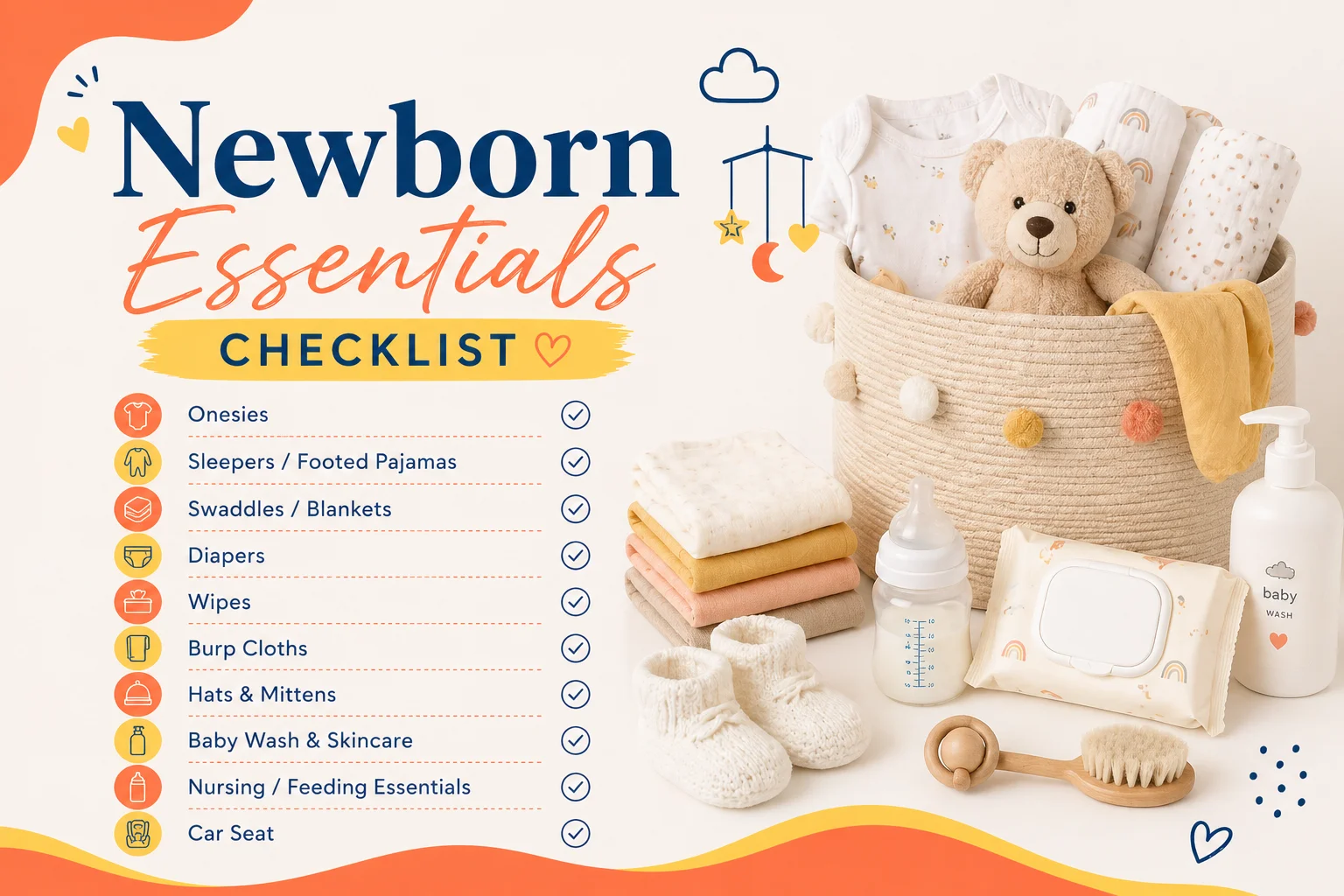
Here’s the full list at a glance, grouped by category. Scroll down for quantities, product notes, and safety tips for each one.

🛏️ Sleep

Crib or bassinet with firm mattress

Fitted sheets

Swaddles


🌙 Full safe-sleep breakdown in section 3.

🍼 Feeding

Bottles

Burp cloths

Breast pump


See separate breastfeeding vs. bottle-feeding lists in section 4.

👕 Clothing

Onesies

Footie pajamas

Socks


👶 Most babies skip “newborn” size — buy more 0–3 months instead.

🧷 Diapering

Diapers

Wipes

Diaper cream


Expect 10–12 changes a day — full breakdown in section 6.

⚕️ Health

Thermometer

Nail clippers

Nasal aspirator


Full health kit list in section 8.

🛁 Bath

Baby wash

Towels

Washcloths


Newborns only need baths 2–3 times a week.

🚗 Gear

Car seat

Stroller

Baby carrier


Safety items — always buy these new. See section 7.

2. Why a Newborn Essentials Checklist Matters

First-time parents spend around $1,500 on baby items before birth, and nearly 30% of those items are never used. A checklist helps you avoid unnecessary spending, reduce stress, and focus only on what your baby actually needs — instead of what registries and baby stores try to upsell you on.

Where this guide comes from

This checklist is based on general pediatric guidance and real parent experience — to show exactly what you need, and what you can safely skip.

3. Sleep Essentials for Your Newborn

Safe sleep is one of the most important things to get right in the first year. It’s worth setting up before your baby arrives, not figuring out at 2am.

🛏️ Sleep Setup

Crib or bassinet with a firm mattress

Fitted sheets

Swaddles

2–3, velcro or zip work best

Sleep sacks

2, for later stage

Pacifiers

3–5, optional


Skip bumpers, pillows, blankets, and loose bedding entirely.

The ABCs of safe sleep

Alone

— baby sleeps in their own crib or bassinet, not in bed with you.

Back

— always place baby on their back, for every nap and every night.

Crib

— a firm, flat, non-inclined surface with nothing loose inside it. Room-sharing (baby’s crib in your room) for the first 6 months is associated

with lower risk than bed-sharing.

4. Newborn Feeding Essentials Checklist

Whether you’re breastfeeding, formula feeding, or combination feeding, these items cover the basics.

🍼 Basic Feeding Supplies

Baby bottles

4–6, small size

Slow-flow nipples

Burp cloths

10–15

Bottle brush

Mild, fragrance-free dish soap


Burp cloths run out faster than any other item on this list.

🤱 Breastfeeding Essentials

Breast pump

check insurance coverage first

Nursing pillow

Milk storage bags

Nursing pads

Nipple cream


💡 Many insurance plans cover a breast pump at no cost — check before buying.

5. Newborn Clothing Checklist

Newborns don’t need a large wardrobe. Comfort and easy diaper changes matter far more than variety.

👕 What to Buy

Onesies

8–10, snap closure recommended

Footie pajamas

6–8, zipper preferred

Socks

5–7 pairs

Hats

2

Mittens

2–3


Zippers beat snaps for 3am changes — you’ll thank yourself later.

Skip the newborn size

Many babies skip “newborn” size completely, especially if born at average or above-average weight. Buy more 0–3 months clothing instead of stocking up on newborn-only sizes.

6. Diapering Essentials for Newborns

🧷 Must-Have Items

Newborn diapers

1 box

Size 1 diapers

1 box, babies grow fast

Wipes

2 large packs

Diaper cream

zinc oxide

Changing pad

Diaper bag

backpack style recommended


Don’t over-buy newborn size — most babies size up within a few weeks.

7. Baby Gear Essentials (Safety Items)

These should always be purchased new, never secondhand — car seats and similar safety gear can be compromised by past crashes, recalls, or wear that isn’t visible.

🚗 Safety Gear

Infant car seat

rear-facing

Car seat base

Stroller travel system

Stroller travel system

Baby carrier or wrap


⚠️ You’ll need the car seat installed before hospital discharge — plan ahead.

Get the install checked

A large share of car seats are installed incorrectly on the first try. Many fire stations and certified car seat technicians offer free inspections — worth booking before your due date.

8. Baby Health Essentials

These help you handle the common newborn issues that come up in the first few months.

⚕️ Health Kit

Nasal aspirator

“Nose Frida” style

Saline drops

Digital thermometer

Baby nail clippers

Gas relief drops

Baby wash & lotion

gentle, fragrance-free


⚠️ Call your pediatrician for any fever in a baby under 3 months — don’t wait it out.

9. Bath Essentials

Newborns only need baths 2–3 times per week — more frequent bathing can dry out delicate skin.

🛁 Bath Time

Soft washcloths

5–10

Hooded towels

2–3

Gentle baby wash

Baby lotion


A sink or towel-lined basin works fine before you buy a dedicated baby tub.

10. What NOT to Buy for a Newborn

Save your money — and shelf space — by skipping these commonly-registered items.

SKIP 01

Wipe warmers

Extra clutter, extra cord, minimal real benefit.

Instead: room-temperature wipes are fine.

SKIP 02

Baby shoes

Not needed until your baby starts walking.

Instead: socks and booties for warmth only.

SKIP 03

Bottle sterilizers

Boiling water or a dishwasher does the same job.

Instead: a bottle brush and mild soap.

SKIP 04

Changing tables

Expensive, bulky, and only usable for a year or so.

Instead: a changing pad on a dresser.

SKIP 05

Fancy newborn outfits

Outgrown in weeks, rarely worn more than once.

Instead: a couple for photos, nothing more.

SKIP 06

Milestone props

Cute in theory, forgotten in a drawer in practice.

Instead: a simple sign works just as well.

11. When to Buy Newborn Essentials

A general pregnancy-week timeline to spread the cost and avoid a last-minute scramble.

Start researching baby gear — car seats, strollers, and cribs take time to compare, and some models sell out or get discontinued.

Buy the big-ticket safety items: car seat, stroller, and crib. These are the items most worth buying new and having time to set up properly.

Buy clothes and diapers. Stick to 0–3 months sizing over newborn-only sizing, and don’t over-buy any single diaper size.

Prepare your hospital bag. This is also a good time to book a car seat inspection at a fire station or with a certified technician.

Everything should be ready: crib set up, car seat installed and checked, diapers and clothes on hand, and the hospital bag by the door.

Frequently Asked Questions

Only the basics: diapers, wipes, clothes, a crib or bassinet, feeding supplies, and a small health kit. Everything else is optional.

Around 8–10 onesies and 6–8 pajamas are enough. Buy mostly in 0–3 months sizing since many babies skip the newborn size.

No. Shoes aren’t needed until your baby starts walking — socks and booties are all that’s needed for warmth before then.

No, not right away. A sink or a towel-lined basin works fine for the first few months before you need a dedicated baby tub.

On their back, every time, for every nap and nighttime sleep, on a firm and flat surface with no loose bedding.

It’s generally not recommended. Car seats and other safety gear should be bought new, since a secondhand seat’s crash or recall history usually can’t be verified.

Final Tip

Keep things simple. Babies grow quickly, and most “just in case” items go unused. Focus your budget and your space on the essentials that make feeding, sleeping, and diapering easier — the rest can wait until you actually know what your baby needs.

Helpful External Resources

HealthyChildren.org (AAP) — Official safe sleep guidance

NHTSA Car Seat Safety — Find a free inspection near you

CDC Newborn Screening — What to expect after birth

Similar Posts